

Written November 2023.
Don't you just love spending countless hours and energy applying for jobs? No? Really? Well, since you mention it, neither do I. Looking back, I realized this last November while taking the train back from a full day of classes, exhausted, and wondering what type of job I could get that would be flexible with my full-time class schedule and compensate me generously. To find this flexibility, I’d be entering a new industry where I had no experience. So, I started applying to jobs, to no avail. Weeks passed, my frustration grew, and my hope was spreading thin.
One morning, while walking to class, I heard a group of seniors expressing their anxiety about whether they're going to find a job in time for graduation or not. It left an impression on me that lingered throughout the day. Later, in class, I saw one student on LinkedIn, another on Glassdoor, and one using Chat-GPT to answer a job questionnaire on Indeed. At that moment, something in my brain switched on, and I became curious.
How could it be that the process of finding a job, something millions of people attempt every day, is so grueling and inefficient? How could it be that no one had challenged the status quo in almost two decades? I wanted to do something about it, so that afternoon, I opened up my laptop and wrote what would later become Job Stormer’s business plan, taking me on a journey I had never expected when I began looking for a job.
I learned that In 2023, the average time reported for finding a job is around 5 months, with job seekers typically spending 20-25 hours per week on their job search.
I also found that the Global Online Recruitment Market was valued at USD 29.3 billion in 2021 and increased to approximately USD 31.4 billion in 2022. It is projected to reach around USD 58.2 billion by 2030, at a CAGR of 7.1% from 2023 to 2030.
I wanted to reimagine what the job-seeking process could be, so I gave myself the liberty of thinking of a “dream solution,” something so ridiculously convenient and valuable that people would be willing to pay an arm and a leg for it, and then still couldn't help but tell their family and friends about it with excitement.
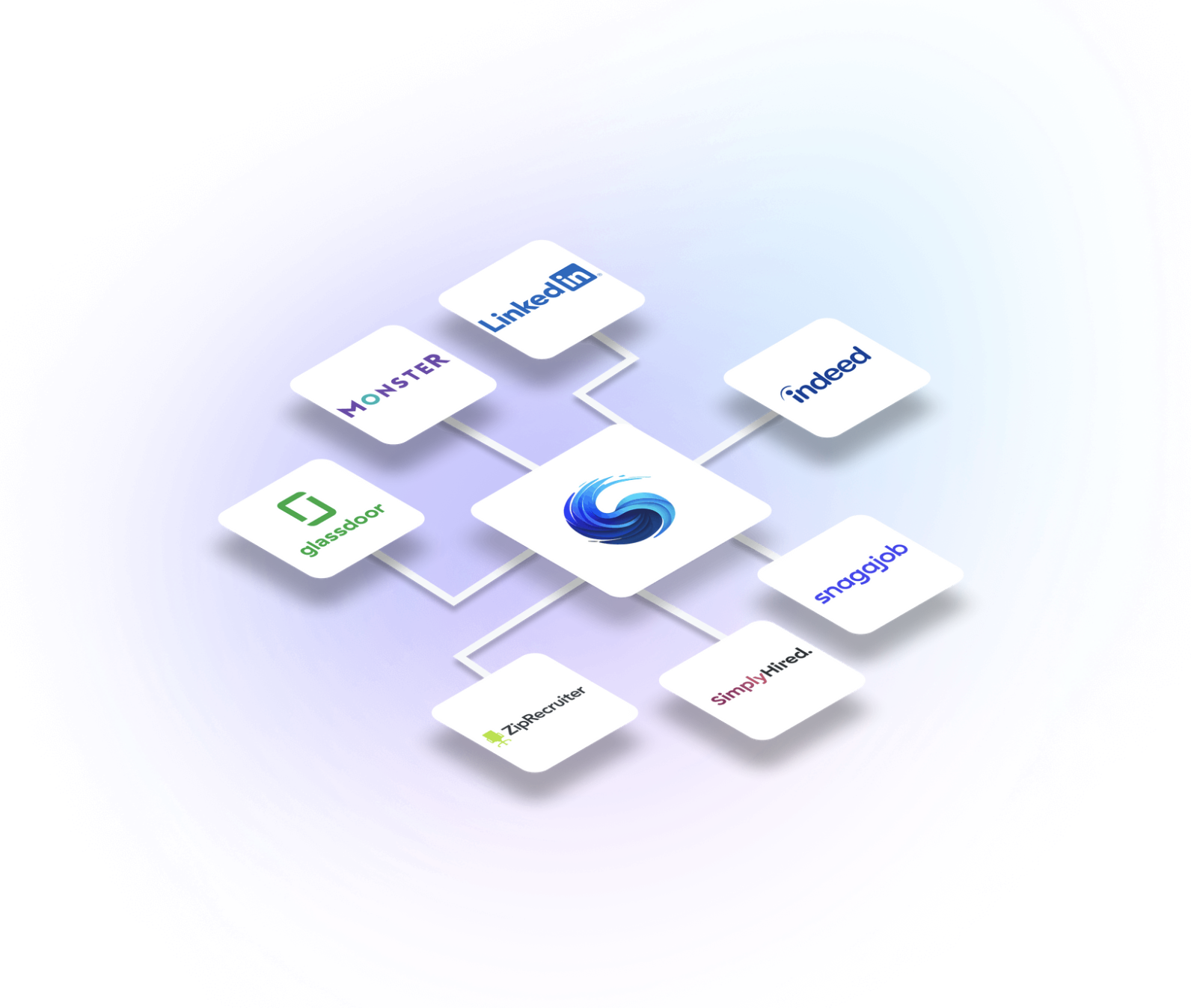
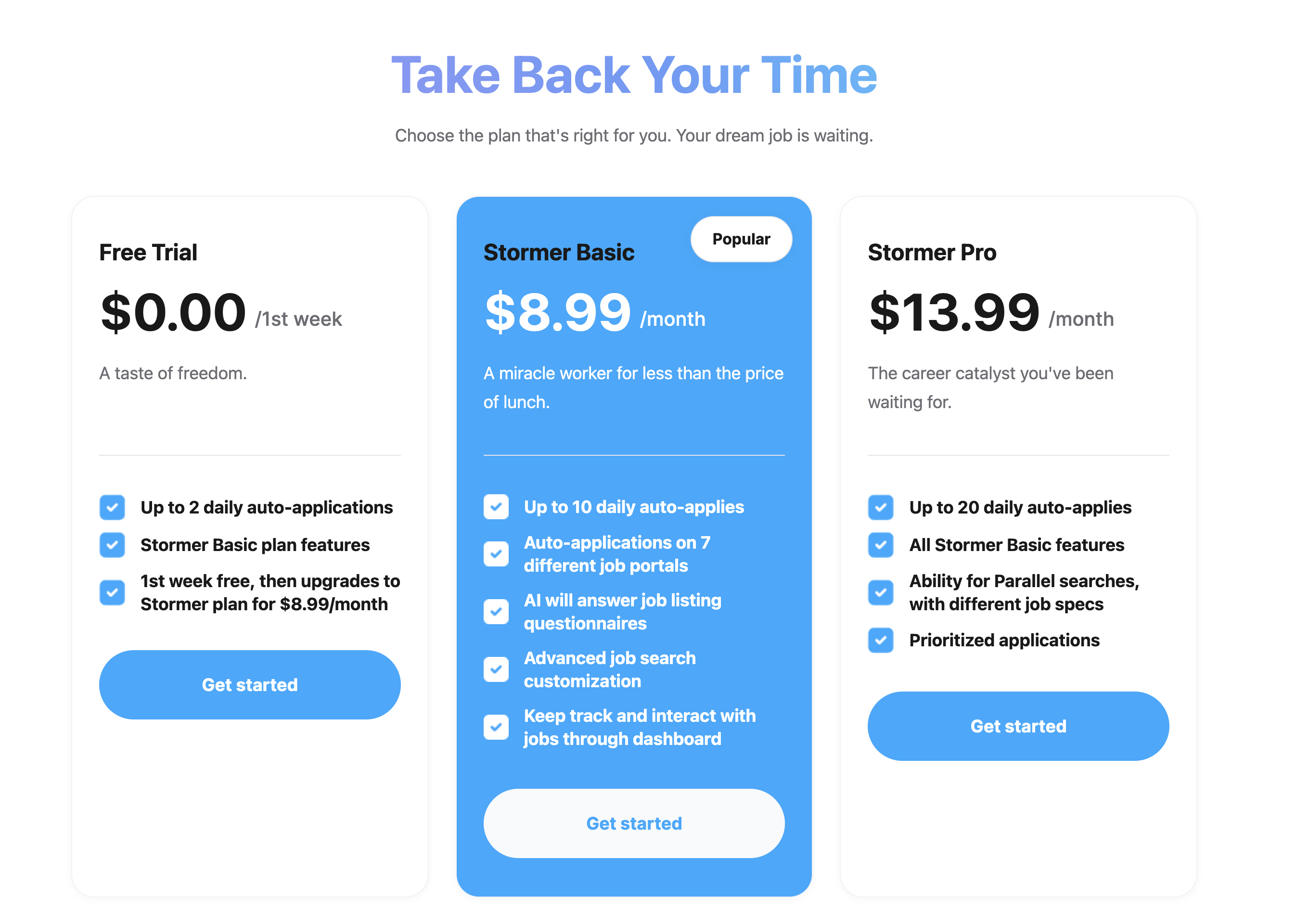
I’ve heard of wealthy individuals paying career coaches hundreds, even thousands of dollars, to apply to jobs for them, and I thought, wouldn’t that be nice. I decided that I wanted to create something that would automatically apply to jobs for our users across all the most popular job platforms, submit their resumes, and answer all the job questionnaires, all without them having to lift a finger. Also, instead of an arm and a leg, it would cost less than the price of lunch.
After the brainstorming phase, I pragmatically filtered and refined the ideas to pinpoint the first principles essential for developing a minimum viable product with the features I wanted. As I drafted the product requirements document, I identified the necessary components: automation bots for streamlined operations, click-processes on job portal sites, a centralized database, a cloud network, and an aesthetically pleasing, user-friendly interface.
After conducting thorough research to identify if any existing solutions had effectively addressed the market gap, it became evident that no current product offered a comprehensive solution that had the potential to become a well-recognized brand for job seekers.
In my assessment of the competitive landscape, I observed the following:
I believed it could be done better, so I began recruiting a team. This included recruiting a software engineer with expertise in automation, web scraping, and Python, alongside a colleague skilled in design and communications. I clearly communicated our mission and deadlines to the team, establishing a routine of weekly Zoom meetings every Friday for management and coordination. Alongside, I implemented task management through Asana for organized progress tracking, while we maintained continuous communication and collaboration during the week via Slack.
Working closely with the software engineer, I actively participated in assessing the functionalities of the software system. Our focus was on simplifying processes for database management and reducing cloud costs, as well as ensuring seamless integration and interaction between the user experience (UX) and the software. While I took the lead on UX/UI decisions and personally designed most of the UX and UI, the designer also contributed valuable input, particularly in the areas of user interface and branding aesthetics, which effectively complemented the overall design process.
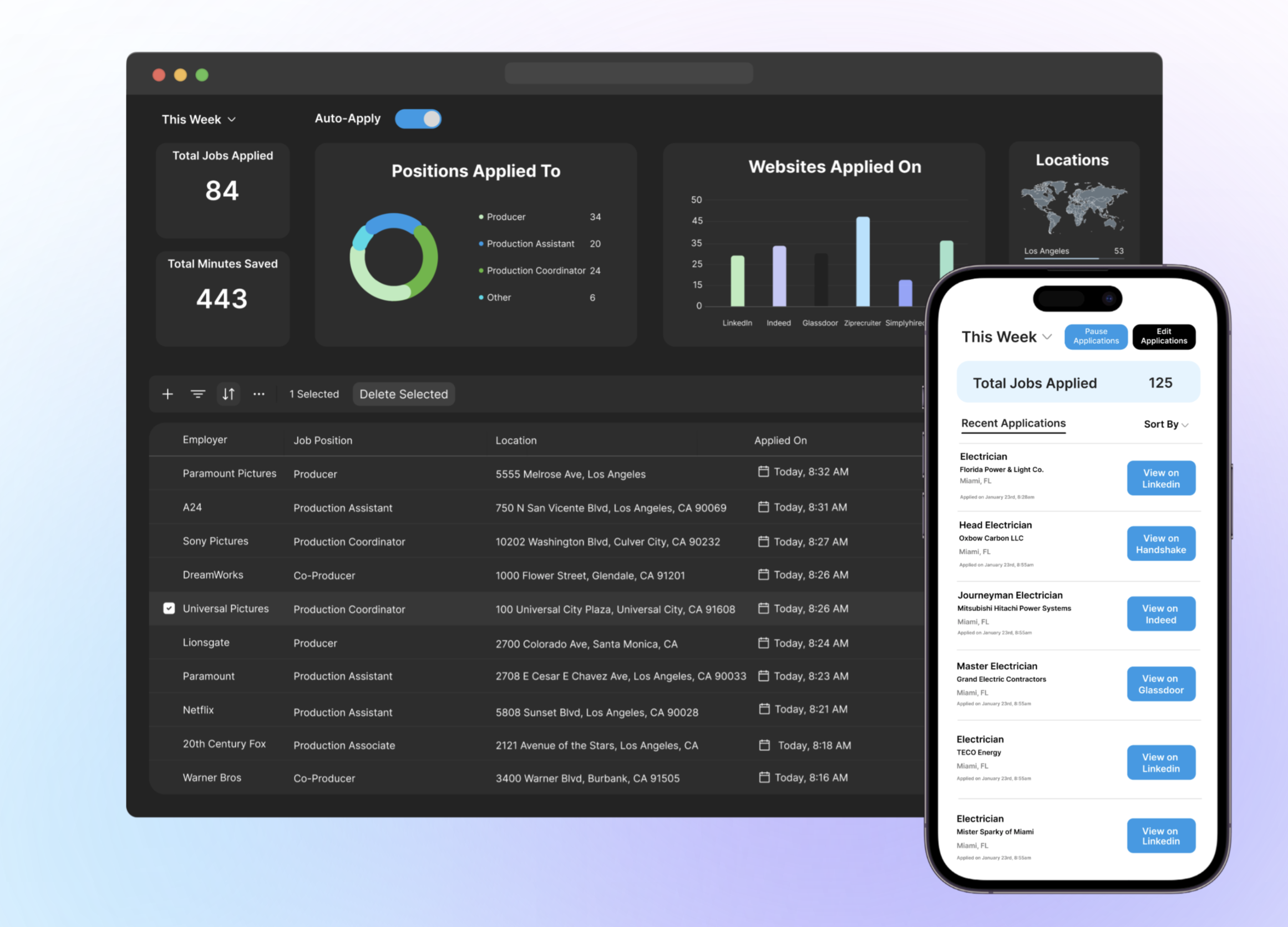
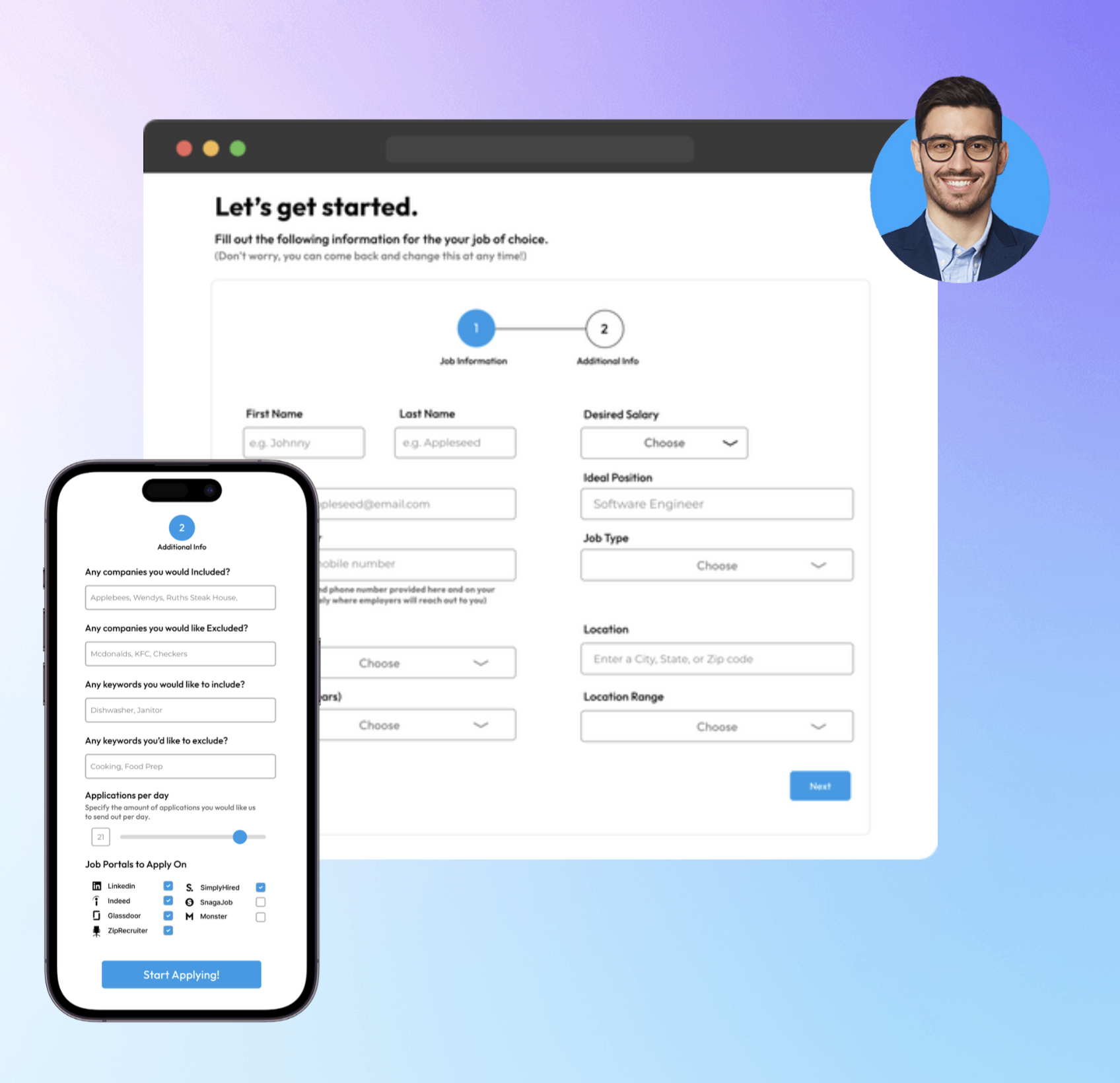
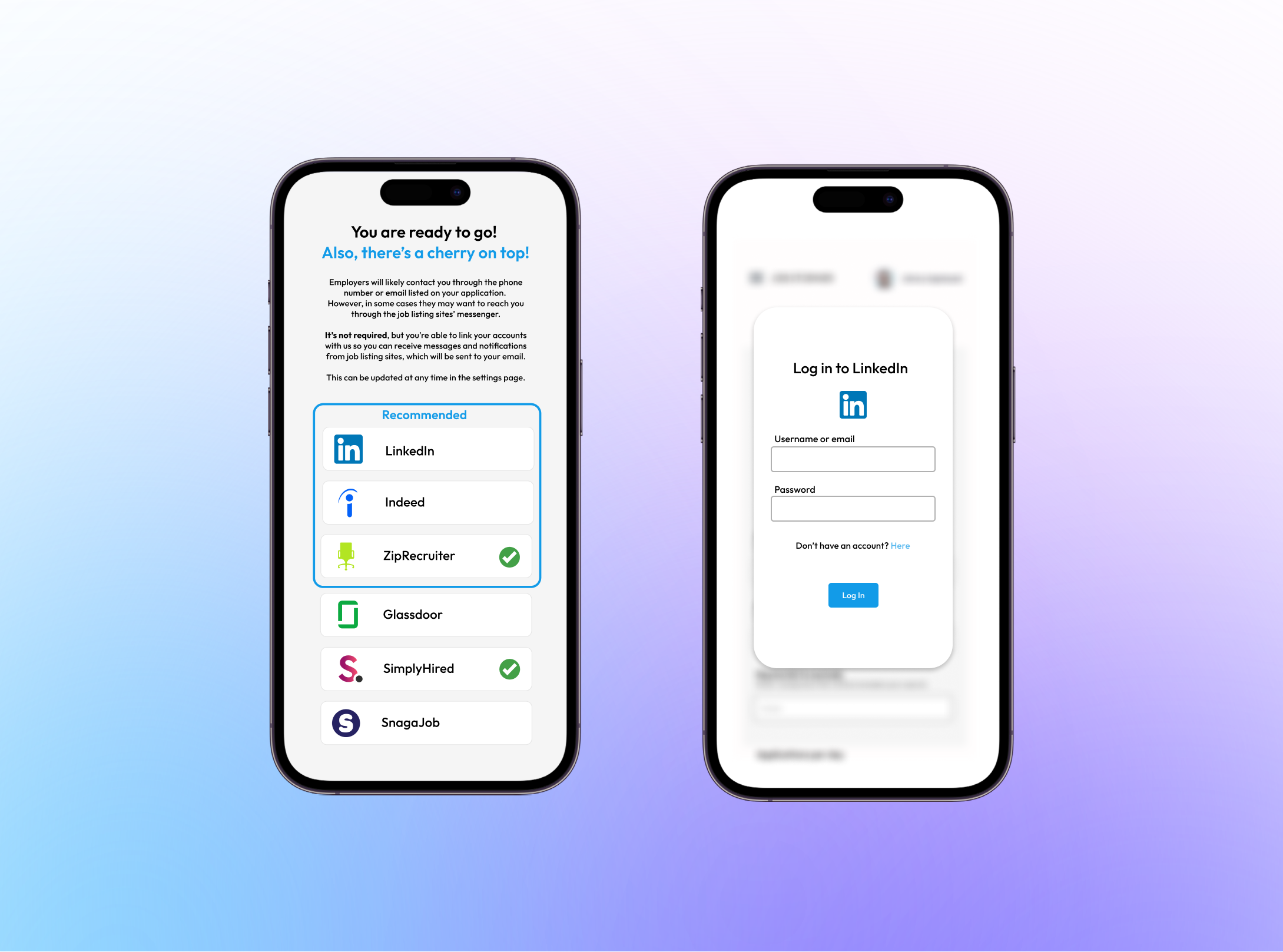
One of our main focuses was to simplify the signup process. We designed it so users wouldn't need to create or link accounts with job boards. Instead, our AI system would create 'ghost' accounts for them. These accounts would automatically apply to jobs and send the job details back to the user's Job Stormer dashboard.
However, implementing ghost accounts had its challenges. We wanted this process to be as quick and easy as signing up for a single job board. Initially, our software's capabilities were a limiting factor, but I quickly developed the UX/UI to demonstrate to our developer how it should function. We considered several approaches for the ghost accounts:
Eventually, we found the right balance with custom emails and job portal accounts. We also supported linking your job portal accounts without a job portal API key, we had users input their login information into a secure hash login credential form. This data was then forwarded to a bot, which quickly authenticated the information, allowing us to verify its functionality and inform the user accordingly.
I recognized that adopting new technology can be a gradual process for some users. To accommodate this, we introduced an option within our platform that allows users to disable the auto-apply feature. This adjustment enables our software to autonomously gather job listings that align with the user's specific criteria. Users then have the flexibility to apply with a single click or to proceed with a manual application by following the link provided for each job. This feature aims to provide users with greater control and comfort as they navigate the job application process using our system.
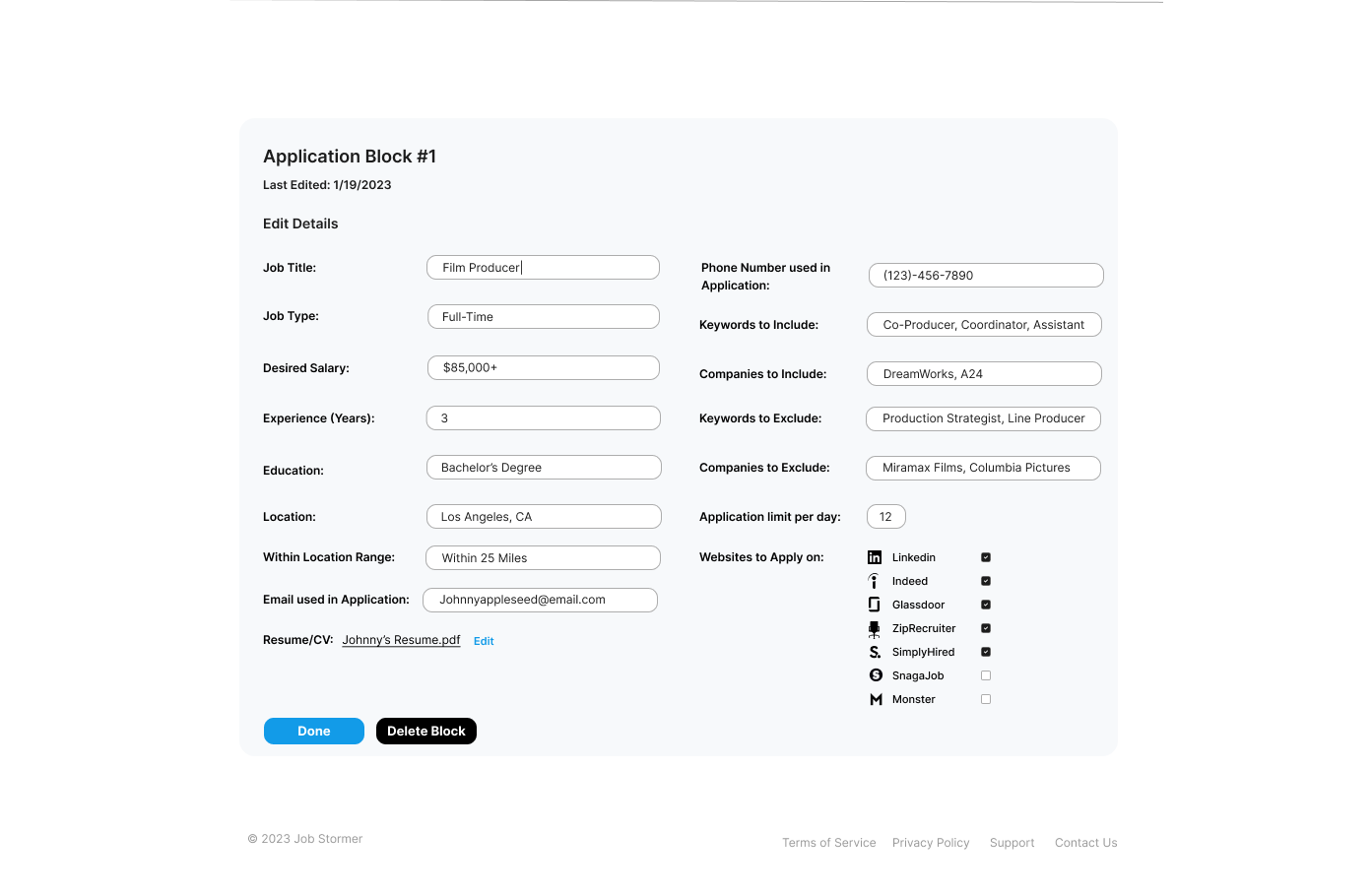
To further enhance the user experience, particularly for our premium subscribers, I collaborated with the software engineer to develop a user-friendly feature known as “application blocks.” This innovative tool allows premium users to conduct multiple job searches simultaneously, with customizable criteria such as job location, position, and pay. We focused on ensuring seamless integration between the user experience and the underlying code, ensuring that both aspects functioned in harmony to provide an optimal experience for our users.
We leveraged GPT-4 by using its API key to automate the process of automatically completing job questionnaires for users. Our approach involved converting users' resumes into text files, using this data to accurately respond to questionnaire prompts. This process was handled with precision to maintain the integrity of the job applications. It was crucial to ensure the AI's responses were in line with the tone and content of the resumes, avoiding exaggeration or fabrication of information.
However, we encountered challenges with the initial success rates of application submissions. To address this, we conducted extensive testing across seven job portal platforms, focusing on various job levels - entry, mid-tier, and senior-level niche positions. We meticulously documented each test on excel, by screen-recording the software processes locally, noting the reasons for any unsuccessful submissions.
Our testing strategy involved achieving a benchmark of 50 successful submissions in each category, with the process and outcomes meticulously recorded.
Upon analyzing the data, we noted that success rates for mid-tier and senior-level positions were lower compared to entry-level jobs. This discrepancy was largely due to:
To improve our system's efficiency in these scenarios, we re-trained the GPT model, allowing it more flexibility in responding while adhering to strict guidelines to preserve the authenticity of each application.
Additionally, I collaborated with our software engineer to develop strategies for our automation bots to handle various new formats encountered in job applications. While we contemplated adding extra questions to refine searches for senior-level jobs, I ultimately decided to prioritize simplicity and usability, focusing on our core demographic of entry and mid-level job seekers. With plans to expand our target audience, we would then consider integrating additional features to cater to the specific needs of different job levels.
These refinements led to a notable improvement in success rates, with mid and senior-level positions seeing an average increase of 20% in successful applications across the seven job portals. The entry-level positions maintained a high success rate, which was satisfactory for our objectives.
.png)
.png)
In the end, we were able to finish the entire software system, UI/UX of the application, and website in under 5 months, on a $5,000 budget, while working a part-time job and being full-time students.
We embraced Silicon Valley’s “move fast and break things” methodology early on in the project when we realized there was a big chance we would not be able to launch if we weren’t able to convince job portals to give us an exception of their Terms of Service and let us use automation bots and web scraping on their website. Regardless, we decided it was a leap of faith worth taking. It reminded me of Spotify and how they invested over 10 million dollars in creating the first instant cloud-based music player, without knowing whether the music companies would agree to this new change in the industry and let Spotify have the music rights for streaming.
At this point in my life, I wouldn’t take such a big leap of faith on a legal matter which I have no control over. But, do I regret investing 5 months of my life creating this? Not at all. In the end, we created something we would have been proud to share with our friends and family and that would have, if released to the public, empowered many. This project not only taught me invaluable skills in product management, UX/UI design, and team leadership but also demonstrated how work can be meaningful and have the potential to make a positive impact on the world.